
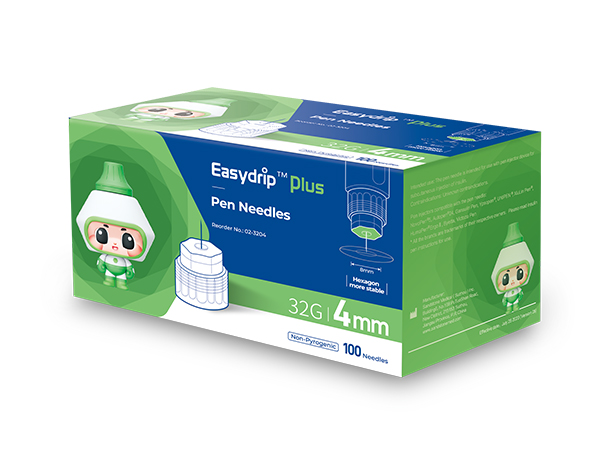
Managing diabetes frequently involves routine subcutaneous injections. Optimizing this daily process is typically helpful for consistent care. A critical factor is selecting the appropriate injection tool. Understanding dimensional differences can significantly influence the overall experience. By learning about gauge and length, patients can often make more informed decisions.
These choices often lead to a reduction in injection-related anxiety. Navigating the various options available can feel slightly overwhelming initially. A foundational understanding of how these physical dimensions interact with the body is usually highly beneficial for establishing a comfortable therapy routine.
Understanding Gauge: Finding the Right Thickness
When evaluating an insulin pen needle, two primary measurements generally require close attention: gauge and length. These dimensions largely dictate how the tool interacts with the tissue. Gauge indicates the approximate outer diameter of the needle cannula, with higher gauge numbers generally corresponding to smaller diameters.” Conversely, length determines how deeply the cannula penetrates. Recognizing their interaction is typically the first step.
The gauge system can sometimes seem counterintuitive to new users. A higher gauge number indicates a thinner diameter. For example, a 32G option is generally finer than a 29G alternative. Thinner profiles are often preferred because they tend to cause less tissue trauma.
Balancing thickness and flow rate is usually an important consideration. An excessively narrow cannula might require more pressure to deliver the medication completely. Therefore, finding an ultra-fine option that allows for a smooth glide is often recommended by healthcare educators for everyday management.
The Role of Length in Subcutaneous Delivery
Medication is generally designed to be deposited into the subcutaneous tissue just below the skin. Injecting insulin into muscle rather than subcutaneous tissue can alter its absorption profile, which is one reason appropriate needle length and injection technique are important. Therefore, choosing the correct length is typically a vital component.
Historically, longer options were common, but modern clinical guidance frequently leans toward shorter alternatives. Supported by guidelines from the American Diabetes Association (ADA), a 4mm or 5mm length is widely considered suitable for the majority of adults and children. Shorter needles may allow subcutaneous injections without a skin-fold technique in many patients, depending on individual factors and clinical guidance.
Longer options such as 8 mm may be considered in specific situations based on patient anatomy, injection technique, and professional guidance. These sizes may be recommended for individuals with specific anatomical considerations.
When using longer sizes, practitioners often advise patients to use a skin-pinch technique. This technique can increase the distance between the skin surface and underlying muscle and may help maintain subcutaneous needle placement.
Balancing Comfort with Precision Engineering
The thickness of the cannula plays a substantial role in patient comfort. Finer gauges such as 30G and 31G can be evaluated as part of an overall needle design intended to support injection comfort. A finer gauge may help reduce insertion discomfort for some users, although individual responses vary. A gentler insertion process is usually preferred.
While thinner designs offer comfort, they generally need to maintain exceptional structural integrity. High-quality manufacturing helps ensure that the cannula does not bend during routine use. Furthermore, the inner diameter needs to remain wide enough to allow passage without requiring excessive pressure.
Exploring Options from Reliable Manufacturers
Finding a dependable manufacturer is typically important for maintaining product consistency. SteriLance focuses heavily on human-factors engineering through its dedicated diabetes-care product lines. Their specific offerings are frequently designed to address common concerns related to self-injection. They aim to balance premium manufacturing quality with practical accessibility for everyday users.
The specifications usually highlight a strong commitment to patient-centered design. Advanced protective lines often offer configurations such as 31G x 5mm, 30G x 5mm, and 30G x 8mm. These configurations provide different gauge and length options that can be evaluated according to the intended application and patient requirements.
Advancements in Protective Design
Certain specialized product lines incorporate features like dual-end shielding and precision-set penetration depth. These elements are primarily intended to reduce intramuscular-injection risks and prevent accidental sticks during home disposal. The engineering focus is generally placed on minimizing off-target delivery, helping make frequent self-injections feel much more manageable.
Best Practices for Daily Injection Routines
Proper injection technique remains essential for daily management, regardless of the needle size selected.. Users should consistently rotate their injection sites to help prevent the development of lipohypertrophy, a condition characterized by thickened, rubbery, or lumpy areas under the skin. Injecting into areas affected by lipohypertrophy may alter insulin absorption. Rotating between approved areas is generally considered a standard best practice.
Adhering to the single-use protocol is also highly crucial. These products are designed and labeled for single use. Reusing a single device can dull the microscopic bevels, potentially increasing pain upon insertion. Furthermore, reuse introduces a significant risk of bacterial contamination. Disposing of used items safely helps maintain a secure environment.
Ultimately, any adjustments to a routine should be thoroughly discussed with a medical professional. They can provide personalized recommendations based on individual body types and specific therapy requirements. Consulting a healthcare provider generally ensures that the chosen gauge and length align with the patient’s overall treatment objectives.
Disclaimer: This content is provided for general health education and informational purposes only. It does not constitute medical advice, diagnosis, or treatment. Individual health conditions vary, and no health education article can replace a face-to-face consultation with a qualified healthcare professional or licensed medical institution. If you have specific health concerns or feel unwell, please seek care from a licensed medical facility and do not delay treatment because of content on this platform.
