
Hair wellness has become an important part of many people’s self-care routines, with consumers looking for non-invasive technologies that can fit into their daily lifestyles. Among these options, light-based wellness devices have gained attention because of their potential to support scalp care and overall hair wellness. When selecting red light therapy devices for hair, users often consider factors such as wavelength, comfort, design, and ease of use rather than simply focusing on appearance or power ratings.
Red light therapy, also known as photobiomodulation (PBM), uses specific wavelengths of light to interact with biological tissues. Research has explored how red and near-infrared light may support hair-related wellness applications, although individual results can vary depending on device parameters, usage habits, and personal conditions. Understanding the technology behind these devices can help consumers make more informed choices.
Understanding How Red Light Technology Supports Hair Wellness
Red light therapy devices for hair use visible red light and near-infrared (NIR) wavelengths to interact with biological tissues. Red light is commonly found within the 620–700 nm range, while NIR wavelengths extend beyond visible light. Although NIR light cannot be seen by the human eye, it can still interact with cells through specific light-sensitive molecules called photoacceptors.
Within hair follicles, light-sensitive molecules are believed to respond to red and near-infrared wavelengths, allowing light energy to influence cellular activity rather than simply producing heat on the scalp. Research on photobiomodulation suggests that red and NIR light may interact with mitochondrial components, including cytochrome c oxidase, to support ATP production. As the primary energy source for cells, ATP helps maintain normal cellular activity and may support follicle function during the hair growth cycle, including the transition and maintenance of the active growth phase (anagen).
Research, Expectations, and Responsible Wellness Choices
Scientific interest in photobiomodulation continues to grow, with studies investigating how different wavelengths and delivery methods may influence hair-related wellness. Some research has reported positive associations between PBM and hair density or scalp-related outcomes, but researchers also note that device parameters and study designs vary.
Clinical research on low-level light therapy has mainly focused on pattern hair loss, including androgenetic alopecia in men and women. Studies comparing light therapy devices with placebo devices have reported improvements in hair density among some participants after consistent use over several months. Since hair growth cycles are gradual, users should generally evaluate results over months rather than expecting immediate changes after only a few sessions. However, results depend on individual conditions, and red light therapy is generally considered more suitable for supporting follicles that are still active but underperforming rather than replacing follicles that are no longer biologically active.
This distinction is important because hair loss can have many different causes. Red light therapy is not designed as a universal solution for all forms of hair shedding, including conditions related to scarring alopecia, autoimmune disorders, nutritional deficiencies, or other underlying health factors. Understanding the type of hair concern and maintaining realistic expectations can help users make more informed wellness decisions.
For consumers, this means choosing a device should involve realistic expectations. A quality product should provide transparent information about wavelength, usage methods, and technical design instead of relying only on marketing claims. Understanding the technology helps users create a more informed and balanced wellness routine.
Key Features to Consider in Red Light Therapy Devices for Hair
When choosing red light therapy devices for hair, users should look beyond wattage or the number of LEDs. More important factors include wavelength accuracy, irradiance, energy dose, exposure time, and light coverage. A well-designed device should deliver consistent light to the intended area rather than relying on higher power ratings alone.
Wavelength selection is especially important. Many wellness devices use red light around 660 nm and near-infrared light around 850 nm because these ranges are commonly studied in photobiomodulation research. Studies on low-level light therapy for hair have also explored other wavelength ranges, including approximately 614–624 nm, 668–684 nm, 751–772 nm, and 813–846 nm.
Beyond technical specifications, comfort and usability also affect long-term consistency. Flexible designs, adjustable intensity settings, and practical positioning options can help users maintain a regular wellness routine. Since individual responses may vary, choosing a device with transparent specifications and realistic expectations is essential for a balanced approach to hair wellness.
However, researchers continue to explore optimal approaches, and results may differ among individuals.
Why Design and Usage Flexibility Matter
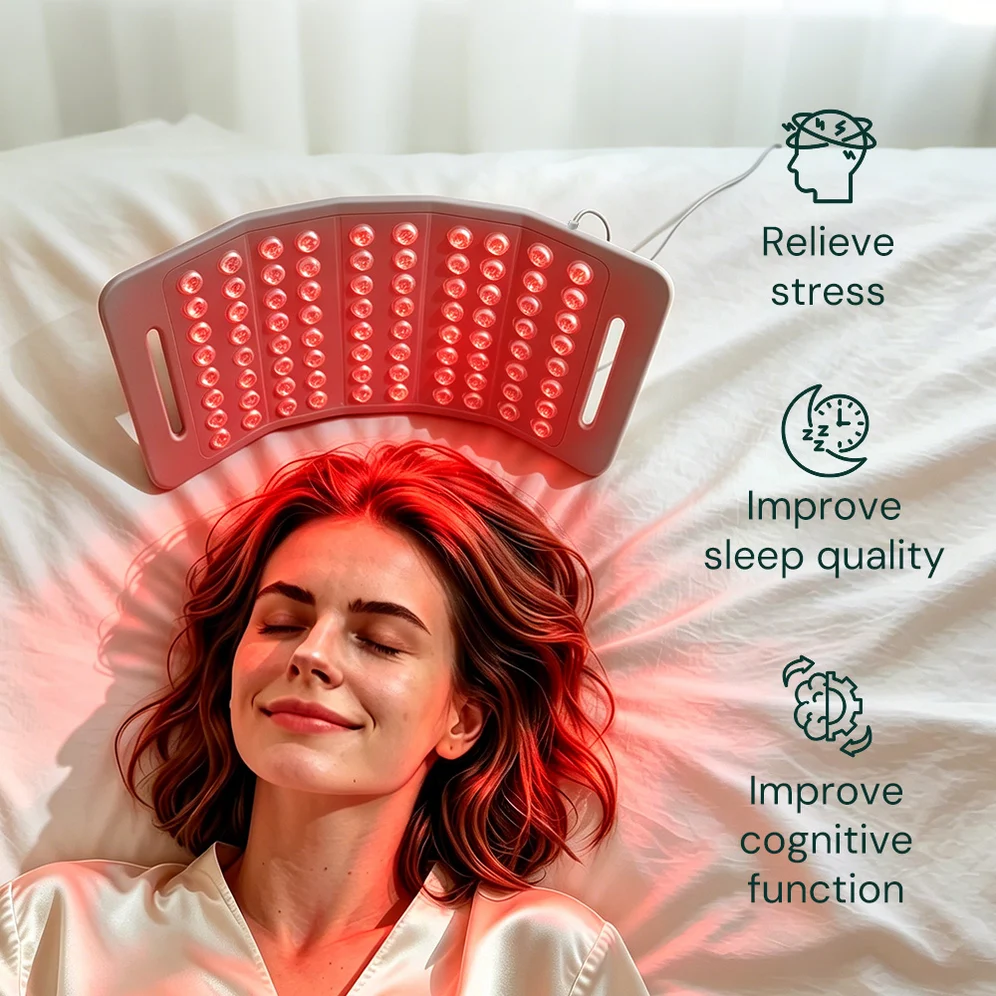
The LifeZoom Veyra Series Curved Silicone Red Light Therapy Panel demonstrates how design choices can influence user experience. The medium-size panel features a flexible silicone structure that allows it to bend or lay flat according to different usage scenarios. When slightly curved, the panel can provide a closer fit and more focused light distribution.
The Veyra Series uses dual-wavelength spherical bulbs with 660 nm red light and 850 nm near-infrared light. This combination allows users to experience both visible red and invisible NIR light within one device. The panel is designed with heat dissipation features and skin-friendly materials, supporting comfortable use at different distances, including direct skin contact when preferred.
Intensity adjustment is another practical feature. The Veyra Series provides three brightness levels, allowing users to select different intensity settings based on personal comfort and preferences. The flexible design also enables multiple placement options, while compatibility with different accessories expands possible wellness applications.
Making an Informed Choice for Long-Term Hair Wellness
Selecting suitable red light therapy devices for hair requires attention to more than just appearance or power numbers. Wavelength options, light delivery, comfort, flexibility, and usage experience all contribute to the overall value of a device. As photobiomodulation research continues developing, consumers can benefit from choosing products designed with accurate specifications and practical everyday use in mind.
For users exploring red light technology as part of their personal hair wellness routine, LifeZoom‘s Veyra Series Curved Silicone Red Light Therapy Panel combines flexible design, dual wavelengths of 660 nm red light and 850 nm near-infrared light, and adjustable intensity settings to support convenient everyday use. Consumers interested in supporting their personal hair wellness routine can contact LifeZoom to learn more about suitable device options.
