
The global biopharmaceutical industry is undergoing a fundamental expansion driven by the clinical success and expanding indications of peptide-based therapeutics. Once concentrated largely on niche endocrinology applications, synthetic peptides have moved to the center of global R&D pipelines targeting metabolic disorders, type 2 diabetes, obesity, cardiovascular diseases, and oncology. The rapid clinical adoption of glucagon-like peptide-1 (GLP-1) receptor agonists and next-generation multi-target co-agonists has transformed biopharmaceutical development strategies.
As clinical pipelines mature and candidate molecules advance from early discovery phases into multi-center clinical trials, pharmaceutical enterprises face unprecedented manufacturing demands. Transitioning intricate amino acid sequences from benchtop synthesis to metric-ton commercial availability requires comprehensive process chemistry, advanced analytical methodologies, and structured supply chain planning.
Establishing reliable peptide development and manufacturing frameworks early in the R&D lifecycle is essential to mitigate scale-up risks, meet strict regulatory purity thresholds, and secure commercial market delivery.
Key Questions B2B Buyers Ask About peptide API Quality and Scale
As procurement leaders, corporate decision-makers, and supply chain managers evaluate global sourcing models for complex therapeutic candidates, several critical technical questions emerge regarding specification setting and manufacturing readiness:
What critical parameters dictate the feasibility of scaling complex metabolic peptide sequences? Scaling up synthetic peptides involves evaluating amino acid sequence length, coupling kinetics, steric hindrance, and potential aggregation points during solid-phase synthesis. B2B buyers must analyze crude purity profiles, truncated sequence side-products, diastereomer formation, and counterion specifications (such as trifluoroacetate to acetate conversion) before committing to large-scale production.
How do process impurities impact late-stage regulatory filings for a metabolic peptide API? Regulatory requirements generally call for appropriate identification, characterization, and control of relevant impurities based on the product and applicable development stage. Unintended side reactions or incomplete coupling steps during scale-up can create deletion sequences that closely mirror the main product’s physicochemical properties, making subsequent chromatographic purification difficult and risking regulatory delays.
What supply chain safeguards can support consistent batch release for high-volume peptide products? Maintaining long-term continuity requires working with partners that employ established Process Analytical Technology (PAT), maintain robust batch history records, enforce strict raw material quality control, and operate flexible production infrastructure capable of handling volume surges.
Technical Engineering Challenges in Scaling Next-Generation Metabolic Sequences
Advancing complex metabolic candidates into commercial production requires overcoming significant chemical and engineering hurdles inherent in modern Solid-Phase Peptide Synthesis (SPPS). As therapeutic targets evolve to require longer circulation half-lives and enhanced potency, molecular architectures become increasingly sophisticated. Modern pipelines routinely feature long-chain sequences, side-chain lipidation, PEGylation, non-canonical amino acids, and cyclic disulfide linkages.
These structural modifications introduce distinct manufacturing obstacles during process scale-up:
- Coupling Efficiency and Aggregation Control: Long-chain amino acid sequences are susceptible to hydrophobic interactions and secondary structure formation on the resin matrix during chain elongation. Unoptimized coupling protocols lead to incomplete reactions and truncated impurities, reducingoverall reaction yield.
- Purification Resolution and Yield Optimization: Resolving closely related diastereomeric impurities and modified variants requires specialized preparative high-performance liquid chromatography (HPLC) stationary phases and tailored mobile-phase gradients. Achieving high chromatographic purity while maintaining cost-effective commercial yield remains a vital process engineering objective.
- Solvent Economy and Counterion Processing: Industrial-scale synthesis requires substantialvolumes of organic solvents. Optimizing solvent consumption, implementing green chemistry alternatives, and controlling residual trifluoroacetic acid (TFA) levels are essential for cost management and downstream formulation stability.
Addressing these engineering hurdles demands deep process chemistry expertise, automated SPPS capabilities, and comprehensive analytical characterization to support batch-to-batch consistency across production runs.
Real-World Application Scenarios Across Sourcing Pipelines
Analyzing practical development scenarios demonstrates how technical quality evaluation applies across different stages of product commercialization:
- Process Scale-Up for Advanced GLP-1 Co-Agonists: Developers advancing complex metabolic peptide candidates, including the selective amylin receptor agonist Eloralintide and the GLP-1/amylin receptor agonist Amycretin, may encounter synthesis and purification challenges during scale-up.Securing multi-kilogram quantities of these peptide products requires manufacturing partners capable of controlling reaction performance and purification recovery while maintaining batch-to-batch consistency within established specifications.
- Analytical Verification for Specialized Bioregulatory Molecules: In specialized formulation networks and clinical research projects, candidate molecules such as BPC-157, KPV, and MOTS-c require strict purity verification, comprehensive mass spectrometry profiling, and residual solvent testing. Establishing appropriate analytical standards and documentation can support compliance with applicable quality and regulatory requirements.
- Establishing Multi-Region Dual-Sourcing Frameworks: Commercial-stage biotechnology enterprises may contract qualified secondary manufacturing partners to develop additional production capacity and establish appropriate backup arrangements.Diversifying supply nodes across geographically separated facilities can reduce exposure to localized operational delays or raw material bottlenecks
Strategic Alignment with Global Industrialization Partners
To support the growing requirements of global biopharmaceutical supply chains, specialized organizations provide end-to-end industrialization infrastructure. Operating as a dedicated global partner focused on process development and scale-up, UTIDE specializes in process development, process optimization, scale-up, and global technical support for long-chain and multi-modified peptides.
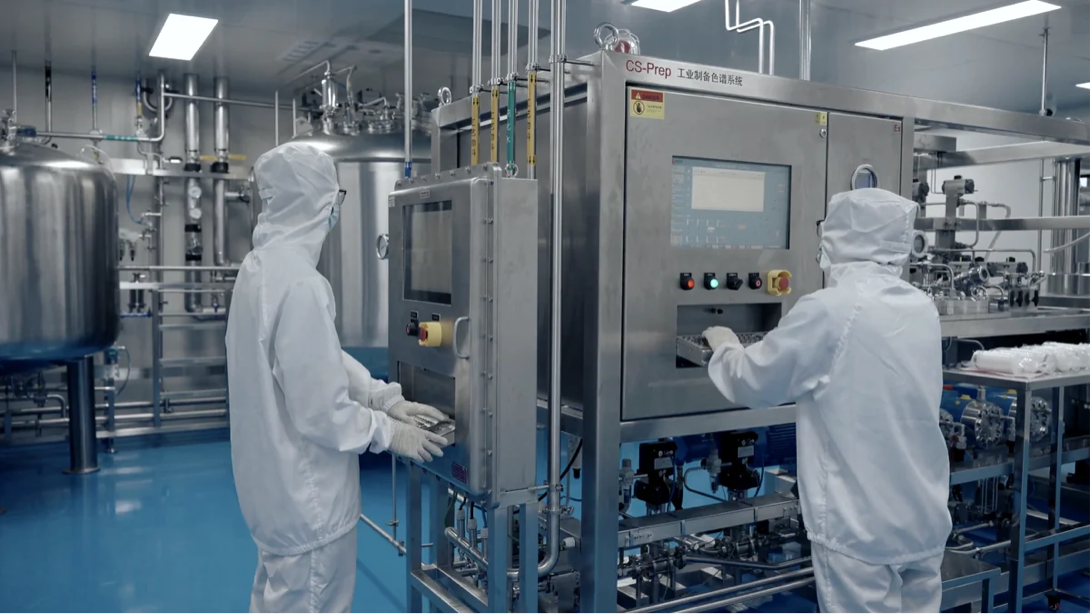
Utilizing its SPPS manufacturing platform and analytical capabilities, the company provides annual capacity support of up to 2,000 kg. Its end-to-end industrialization capabilities and quality management system support biopharmaceutical enterprises, biotechnology firms, CDMO partners, and API suppliers in planning large-scale peptide manufacturing in line with applicable quality requirements.
Securing Long-Term Commercial Success in Metabolic Peptide Sourcing
As global demand for metabolic therapeutics continues to grow across commercial and clinical pipelines, establishing rigorous quality benchmarks and resilient supply networks is a crucial strategic objective. Shifting away from short-term transactional sourcing models in favor of early collaborative partnerships allows drug developers to mitigate scale-up risks, support regulatory compliance, and safeguard commercial delivery schedules. Prioritizing robust process development, transparent quality documentation, and scalable manufacturing infrastructure remains the foundation for long-term commercial success in the expanding peptide market.
