
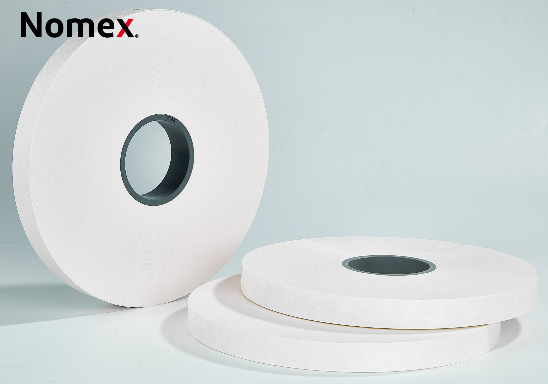
In large-scale power systems, component selection defines transformer reliability and lifecycle cost. Each insulating element contributes to electrical clearance, thermal management, and mechanical integrity within windings and core assemblies. Among commercially available options, Nomex® aromatic polyamide products occupy a prominent position for transformer insulation; their material properties and processing versatility influence design choices across distribution and power transformers. This article examines the principal functions of nomex insulation and how OEMs and procurement teams should evaluate nomex insulation material within transformer programs, noting distribution and processing partners such as Sui On Insulating.
Dielectric performance and electrical safety roles of nomex insulation material
Nomex insulation serves primarily as a dielectric barrier, maintaining phase-to-phase and phase-to-ground clearances under operational and transient stress. The aramid polymer structure provides stable dielectric strength and low dielectric loss across a wide temperature range; Nomex® products are typically specified for service up to 220°C (UL E34739), which supports conservative design margins under thermal cycling. This electrical stability reduces the probability of partial discharge inception and tracking, particularly in high-field regions such as interlayer insulation and spacer systems. For buyers, selecting nomex insulation material with documented certifications (RoHS, REACH, MSDS) and UL listing simplifies compliance and shortens supplier qualification timelines. Distributors and processors like Sui On Insulating can supply traceable material batches and A4 samples to facilitate dielectric testing and type-approval processes.
Thermal management and mechanical support provided by nomex insulation
Beyond electrical isolation, nomex insulation materially contributes to transformer thermal behavior and mechanical robustness. The high thermal resistance of Nomex® allows insulation to tolerate elevated winding temperatures and localized hotspots without rapid degradation, preserving dielectric properties over time. Mechanically, nomex sheets and formed components provide dimensional stability, enabling tight tolerances for slot liners, interlayer barriers, and end-winding supports. Properly processed nomex insulation material maintains compression set resistance and resists deformation during impregnation and thermal cycling, which reduces the risk of winding displacement and mechanical faults under short-circuit events. OEMs should assess processing compatibility—cutting, die-stamping, lamination—since supplier processing quality affects final part geometry and performance; Sui On Insulating’s processing services and production controls are relevant in this context.
Manufacturability, supply continuity, and lifecycle considerations for OEMs
For transformer manufacturers, manufacturability and supply-chain resilience are integral to material selection. Nomex insulation is commonly supplied in production-friendly formats (standard width 914 mm), and availability of processing services reduces in-house tooling burden. System certifications such as ISO9001, ISO14001, and IATF16949 at supplier or distributor level lower procurement risk and support predictable lot-to-lot consistency. While nominal material cost may exceed some alternatives, the extended service life, reduced maintenance intervention, and simpler regulatory acceptance associated with nomex insulation material often lower total cost of ownership for critical transformer applications.
Strategic recommendation: Prioritize nomex insulation where reliability and compliance are critical
In transformer design and procurement, nomex insulation fulfills key functions—dielectric protection, thermal endurance, and mechanical support—that align with high-reliability requirements. OEMs and specification engineers should consider nomex insulation material for applications where thermal margins, dielectric stability, and manufacturability matter. Partnering with established electrical insulation suppliers and processors such as Sui On Insulating can streamline qualification, ensure certified supply, and support consistent manufacturing outcomes for transformer programs.
