
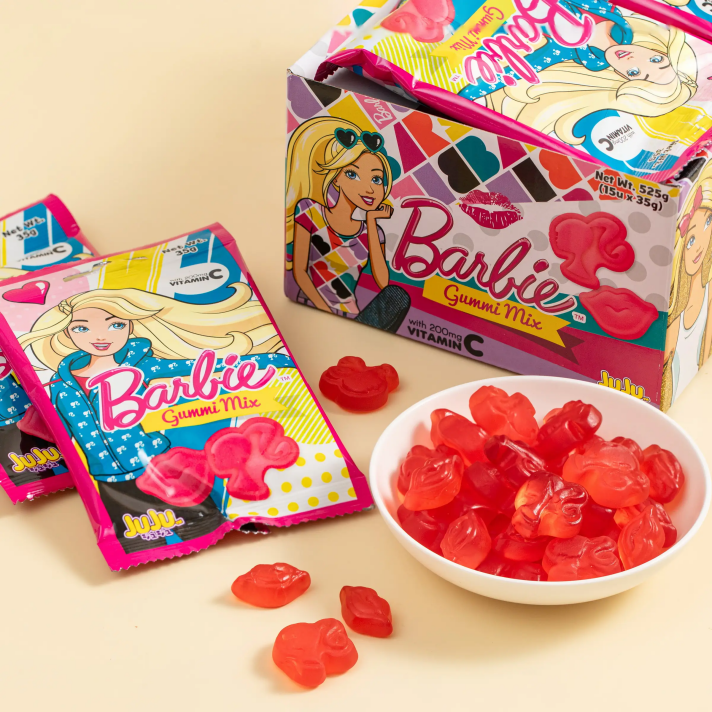
The modern confectionery market is witnessing a notable shift in consumer taste preferences. Shoppers increasingly look beyond standard sugary profiles, seeking out nuanced sensory experiences. This changing landscape encourages retail buyers to update their inventory selections. Consequently, product developers are focusing on creating varied and engaging taste sensations.
Among the diverse confectionery options available, fruit-inspired sweets frequently remain at the forefront of market trends. These items offer a familiar yet versatile foundation for recipe experimentation. Retail environments often rely on these familiar profiles to anchor their candy aisles while slowly introducing more complex variations to everyday shoppers.
The inherent flexibility of fruit profiles allows producers to experiment with blending different botanical notes. Developing combinations like strawberry-kiwi or mango-passionfruit helps brands appeal to shoppers looking for adventurous snacking options. This continuous cycle of taste experimentation helps sustain long-term consumer engagement within the broader candy category.
How Fruit Jelly Candy Manufacturers Drive Recipe Development
Developing sophisticated taste profiles requires substantial technical expertise and specialized equipment. Leading fruit jelly candy manufacturers invest heavily in research facilities to refine their ingredient formulations. These producers understand that achieving an authentic taste sensation involves carefully balancing acid ratios, sweetness levels, and aromatic compounds during the cooking phase.
Achieving consistent flavor delivery in large-scale production presents distinct technical challenges. Professional fruit jelly candy manufacturers utilize precise cooking temperatures to protect delicate flavor extracts from degrading. Maintaining strict environmental controls helps ensure that the final product retains its intended taste profile from the factory floor to the retail shelf.
Texture also plays a crucial role in how consumers perceive flavor release. By adjusting gelling agents such as pectin or gelatin, production facilities can modify how quickly a sweet dissolves. This structural manipulation allows the taste to unfold gradually, enhancing the overall sensory experience for the end consumer.
Incorporating actual juice components into recipes is becoming a common practice for premium product lines. Processing these natural ingredients requires advanced formulation knowledge to prevent moisture imbalances. Experienced fruit jelly candy manufacturers manage these variables effectively, delivering stable items that align with modern consumer expectations for authentic ingredients.
The Rising Demand for Fruit Flavored Gummy Candy
The commercial appeal of fruit flavored gummy candy extends across multiple demographic groups. Younger consumers are often drawn to vibrant, intense citrus or berry profiles. Conversely, adult shoppers frequently gravitate toward milder, orchard-inspired tastes or complex tropical blends that evoke a sense of nostalgia or premium indulgence.
Visual presentation further supports the market strength of fruit flavored gummy candy. Retailers often utilize the bright, varied colors of these sweets to create visually appealing store displays. When candies accurately resemble the fruits they represent, it establishes an immediate visual connection that can encourage impulse purchases at checkout.
Incorporating diverse taste profiles allows retail brands to differentiate their private label offerings. By developing exclusive recipes, stores can cultivate a unique identity that separates them from competitors carrying standard wholesale brands. Customized fruit flavored gummy candy lines offer a practical avenue for building strong, recognizable store-brand confectionery programs.
Advanced Production and R&D Capabilities at HAPI
Transforming innovative recipe concepts into scalable commercial products requires a capable production partner. Operating as VIET NAM HONGRUN BIOLOGICAL FOOD CO., LTD, HAPI manages a modern manufacturing facility located in Bac Ninh, Vietnam. The organization leverages over 25 years of confectionery heritage to support international commercial clients.
To facilitate ongoing flavor innovation, HAPI employs five dedicated research and development experts. This technical team assists retail buyers in formulating distinct recipes that incorporate complex fruit notes. Their collaborative approach helps commercial partners navigate the technical complexities of transitioning new taste concepts into stable retail goods.
The facility produces a wide selection of items, including their specialized Fruit Juice Jelly category. By utilizing quality ingredients and precise cooking techniques, the company creates products designed to deliver vibrant taste experiences. These items are tailored to meet the evolving demands of modern retail candy assortments.
Maintaining consistency across large production runs is critical for commercial success. HAPI utilizes advanced NID starch mogul systems imported from Australia to manage continuous output. This automated infrastructure ensures uniform moisture levels and precise ingredient distribution, resulting in reliable batch consistency for high-volume wholesale orders.
Strategic Advantages for Retail Buyers
Sourcing from an experienced manufacturing facility provides distinct operational benefits for commercial buyers. Reliable production partners offer scalable capacity, allowing retailers to adjust order volumes based on seasonal demand fluctuations. This flexibility is vital for maintaining steady shelf availability during peak holiday shopping periods.
Working with specialized facilities also streamlines the supply chain for complex product lines. Established producers maintain strict quality control protocols and international safety certifications. These rigorous standards help safeguard the retailer’s brand reputation by ensuring that all customized sweets meet expected consumer safety requirements.
Flavor Innovation as a Driver of Retail Strategy
The trajectory of the confectionery market suggests that taste innovation will remain a primary driver of category growth. Retailers who actively update their selections with engaging fruit profiles are generally better positioned to maintain shopper interest. Expanding flavor assortments is a practical method for building a resilient retail strategy.
Successful implementation of these strategies relies on securing reliable manufacturing support. By partnering with technically proficient production facilities, commercial buyers can confidently introduce novel taste experiences to their customers. Sustained collaboration between retailers and experienced producers ultimately supports the continued evolution of the modern candy aisle.
