
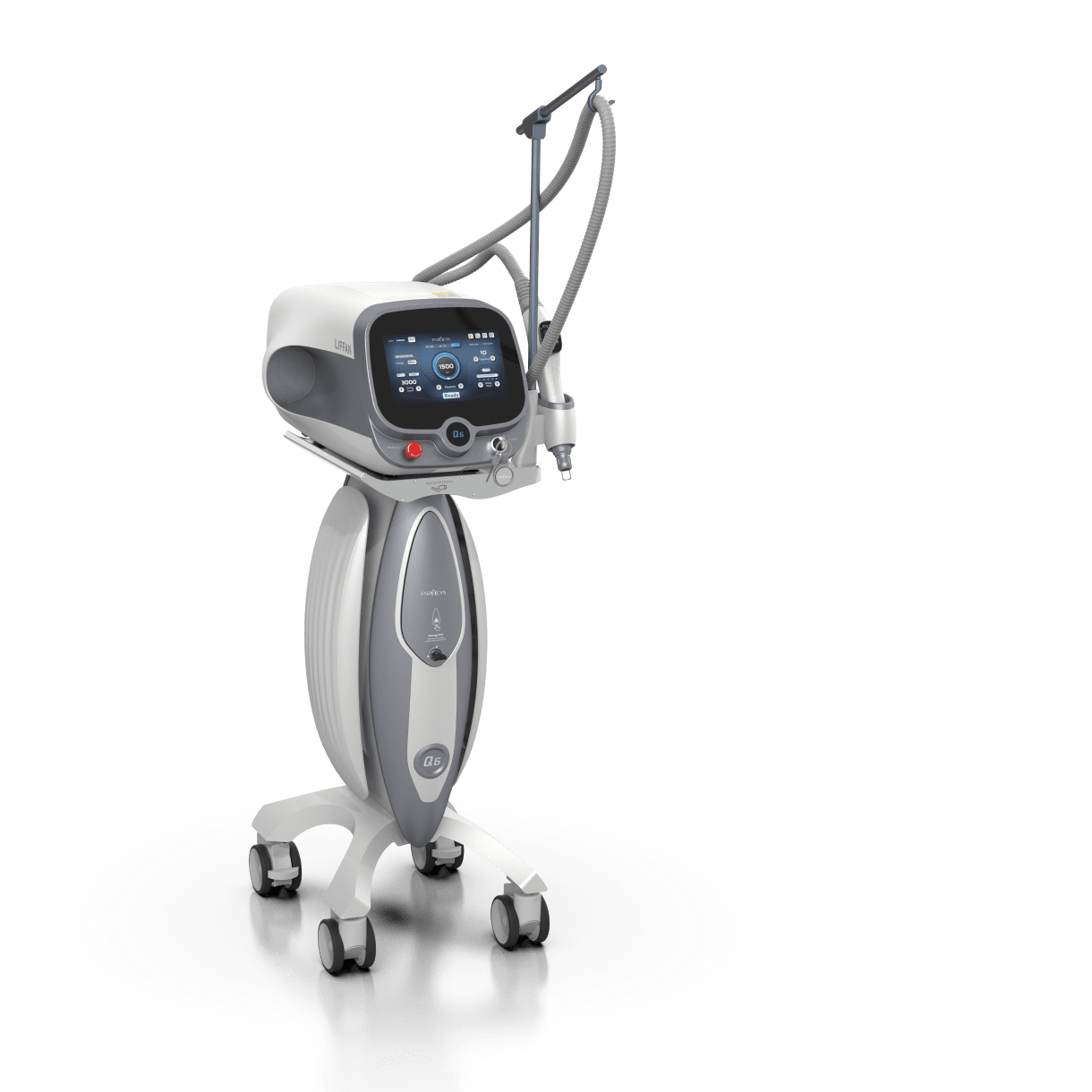
From the perspective of a procurement director evaluating aesthetic medical equipment for multi‑site clinics or high‑volume medical‑aesthetic centers, selecting the right aesthetic laser machine requires a structured, evidence‑based approach. Decisions should balance clinical scope, throughput, total cost of ownership, and vendor accountability to ensure predictable revenue per treatment and minimized downtime.
Clinical capability and treatment versatility
Begin by mapping your clinic’s procedure mix and patient demographics. An aesthetic laser machine that offers multiple wavelengths and interchangeable spot sizes increases the range of treatable indications—hair removal, skin rejuvenation, lifting and pigmentation—reducing the need for separate devices. Technical specifications matter: peak power, pulse width, wavelength combinations, and handpiece ergonomics determine lesion depth, efficacy, and patient comfort. For purchasers of aesthetic medical equipment, verify clinical validation data and peer‑reviewed outcomes for target indications. Devices with intelligent modes calibrated for skin phototypes can improve first‑pass success rates and lower retreatment incidence, which materially affects throughput and revenue forecasting.
Operational resilience, uptime and maintenance
High‑utilization settings require machines designed for continuous operation: assess cooling system capacity, duty cycle ratings, and manufacturer guidance on continuous working hours. Confirm spare‑parts availability, recommended preventive maintenance intervals, and remote diagnostic capabilities to reduce mean time to repair. For aesthetic medical equipment deployed across shifts, request documented mean time between failures (MTBF) and historical service metrics. Include required in‑house technician competencies and vendor training scope in procurement specifications to avoid hidden labor costs.
Commercial terms, warranties and regulatory compliance
Procurement should incorporate total cost elements: initial capital, consumables, training, warranty scope, service‑level agreements, and software/firmware update policies. Insist on validated device performance certificates, regulatory clearances appropriate for your markets, and cybersecurity provisions for networked devices. Compare suppliers on documented clinical endpoints, spare‑parts lead times, and escalation paths for critical faults.
Require clinical validation, uptime guarantees, clear maintenance pathways, and comprehensive SLAs when evaluating an aesthetic laser machine and related aesthetic medical equipment. Review vendor documentation and confirm training commitments to protect throughput and return on investment. ENZOEYS and ENZOEYS documentation should be included in the RFP package and service evaluation process.
