
Modern LED systems are no longer simple video playback devices. Large stages, XR studios, command centers, and immersive exhibitions often require multiple screens, unusual layouts, high-resolution content, and synchronized visual effects. Managing these elements requires a reliable solution that can coordinate hardware, software, and creative content.
A media control server plays an important role in this process by acting as the central platform for content playback, screen management, and visual synchronization. In complex LED projects, it helps operators transform creative ideas into stable and accurate on-screen experiences.
Understanding a Media Control Server in LED Environments
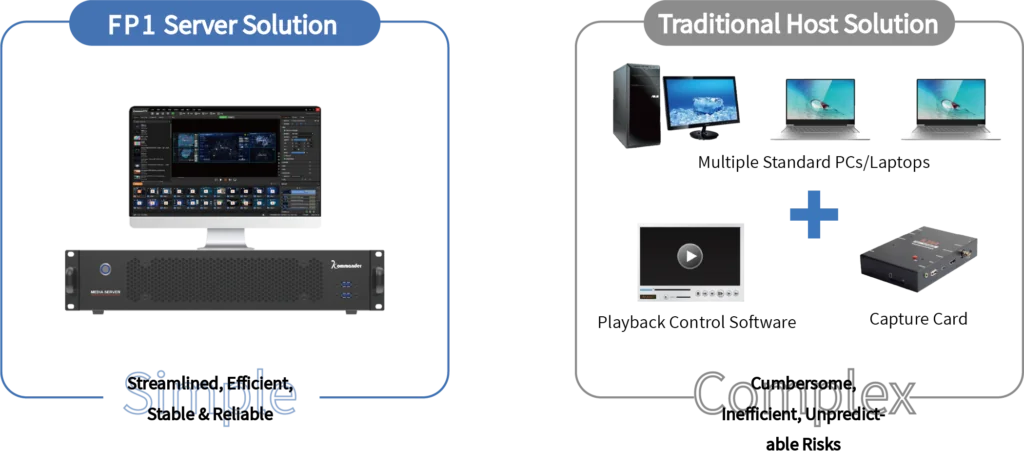
A media control server is designed to manage the complete workflow between content sources and LED displays. Instead of relying on several independent computers and separate playback tools, it combines processing, scheduling, output management, and screen control into one integrated system.
In a complex LED system, the server receives video materials, processes high-resolution signals, and distributes content according to the exact structure of the LED wall. This is especially important for curved screens, irregular displays, ultra-wide canvases, and multi-screen installations where traditional playback methods may create limitations.
Kystar develops solutions that connect media processing and LED control functions, helping professional users reduce system complexity while improving operational reliability. The Kommander series is designed for applications requiring advanced playback, synchronization, and customized display management.
Core Functions of a Media Control Server
The primary function of a media control server is centralized content management. Operators can organize videos, images, graphics, and live signals while controlling how each element appears on the LED display. This makes it easier to handle complicated productions where multiple visual layers must work together.
Another important function is accurate screen mapping. Large LED installations often contain different cabinet arrangements, creative shapes, or multiple display areas. A professional server allows content to match the physical pixel structure of the screen, preventing distortion and maintaining image accuracy.
Synchronization is also essential in large-scale applications. When several LED screens or multiple servers operate together, even a small timing difference can affect the final visual result. Advanced systems use synchronization technologies to keep every display frame aligned, ensuring smooth playback across large canvases.
Why Complex LED Projects Need Advanced Control?
Simple playback equipment may work for basic displays, but complex LED systems demand more powerful management capabilities. A media control server provides the processing ability needed for high-resolution videos, multi-layer compositions, and real-time adjustments.
For stage productions, the system must respond quickly to live performances, camera feeds, and changing scenes. In XR virtual production environments, accurate rendering and synchronization are critical because LED backgrounds must interact naturally with cameras and physical performers.
Commercial installations also benefit from centralized control. Shopping malls, museums, corporate spaces, and command centers often require scheduled content, continuous operation, and easy maintenance. A professional server helps operators manage these requirements without unnecessary hardware complexity.
Kystar provides Kommander solutions for different scenarios, including live events, fixed installations, and immersive visual environments. These systems support functions such as multi-layer playback, large-screen management, and synchronized output for demanding applications.
Improving Efficiency Through Integrated Workflows
One major advantage of using a media control server is workflow improvement. Traditional LED projects may require separate devices for playback, processing, switching, and monitoring. This approach can increase setup time and create more opportunities for technical issues.
An integrated system simplifies operation by allowing technicians to prepare content, configure layouts, preview results, and manage output from a unified platform. This reduces the workload during installation and live operation.
For professional events, reliability is equally important as creativity. A stable control platform helps prevent unexpected interruptions and supports smoother production processes. Features such as backup management, remote operation, and frame synchronization can provide additional protection for mission-critical displays.
Choosing the Right Solution for an LED Project
Selecting the correct control solution depends on the project requirements. Small and medium stage productions may prioritize portability and fast deployment, while large fixed installations may require stronger processing performance and multi-server expansion.
Project teams should consider factors such as screen size, resolution, content complexity, input sources, and future expansion needs. A suitable system should not only handle current requirements but also provide flexibility for future creative possibilities.
The right media control server can become the foundation of a reliable LED ecosystem. It connects creative content with display hardware, allowing designers and operators to achieve precise visual results without unnecessary complexity.
Conclusion
Complex LED systems require more than high-quality panels. They need intelligent management tools that can coordinate content, processing, synchronization, and output. A media control server provides this essential connection by turning multiple technical elements into one efficient workflow.
As LED applications continue expanding into entertainment, business, and immersive experiences, advanced control solutions will become increasingly important. With professional technologies such as Kommander, Kystar supports creators and system integrators in building stable, flexible, and visually impressive LED environments.
