
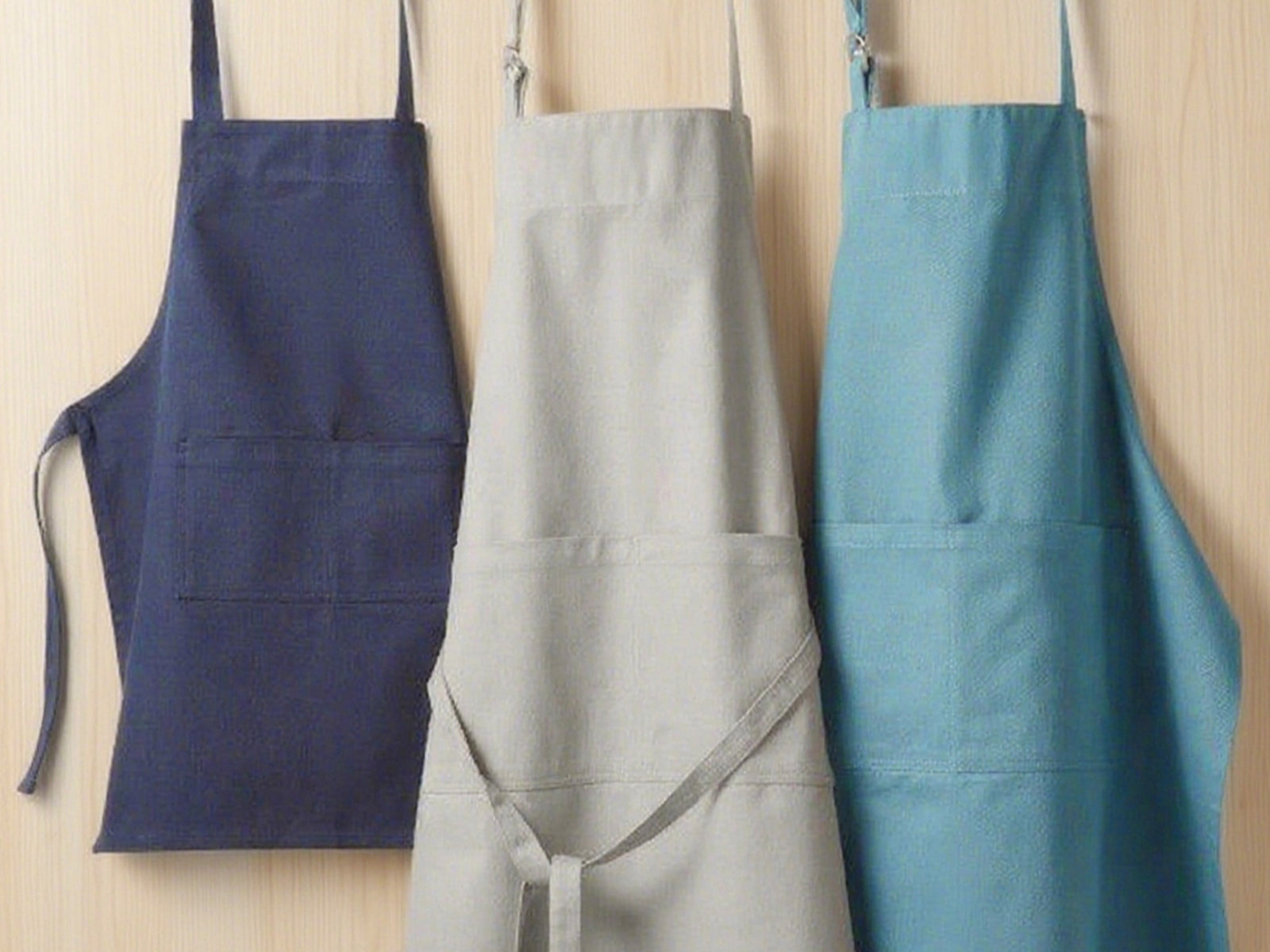
A personalised apron with photo can turn an ordinary kitchen accessory into something more memorable. It may work as a thoughtful gift, a family keepsake, or a branded item for events and businesses. However, photo customization also introduces practical considerations involving image quality, appearance, care, and cost. Before choosing this type of product, it is worth looking at both its creative advantages and its limitations.
Why Choose a Personalised Apron with Photo?
The main advantage is individuality. A photograph can make an apron feel specifically connected to its owner, occasion, family, business, or brand. Compared with a plain apron, a personalised image can create a stronger emotional connection and make the product more distinctive.
For businesses, personalisation can also support visual branding. A restaurant, bakery, cooking school, or food-related event may use customized aprons to create a coordinated appearance. When the artwork is carefully selected, the apron can become part of the overall customer experience rather than simply protective clothing.
The Main Benefits of Custom Printed Aprons
Custom printed aprons offer considerable creative flexibility. Depending on the printing process and supplier, artwork can include logos, illustrations, patterns, names, or photographs. This makes them suitable for both personal and commercial applications.
Another benefit is versatility. An apron can be used while cooking, baking, gardening, hosting, or working in a café or bakery. A customized design can therefore remain useful while carrying a personal or business message.
There is also a practical advantage to choosing a reusable textile product. Instead of being used once and discarded, a well-made apron can become part of a person’s regular routine, increasing the useful life of the personalisation.
What Are the Drawbacks of Photo Personalisation?
The main limitation is that photographic printing depends on the source image. Low-resolution, poorly lit, or badly cropped photographs may not produce the expected result when transferred to fabric. Fine details can also appear differently depending on the textile surface and printing method.
Color is another consideration. A photograph displayed on a phone or computer screen can look different when reproduced on fabric. For important projects, reviewing a digital proof or physical sample before larger production can help identify unexpected issues.
Personalisation can also make replacement more complicated. A standard apron can be reordered easily, while a customized design usually requires the artwork to be prepared and approved again.
How Material and Printing Method Affect the Result
The fabric itself plays an important role in how customized artwork appears. A smoother, more stable surface can provide a different visual result from a textured canvas. Printing technology also influences the final appearance, durability, and level of detail.
The published Bulijojo apron specification uses 95% polyester + 5% cotton canvas or 100% polyester canvas and lists digital printing or screen printing as available print technologies. The product is presented as washable, lightweight, breathable, and suitable for kitchen, garden, café, bakery, and home use.
These specifications illustrate why buyers should review the actual material and printing method rather than judging a personalised apron from its preview image.
When Is a Personalised Apron Worth the Cost?
A personalised apron is especially valuable when the customization itself provides meaningful value. For an individual gift, the emotional value of a memorable photograph may justify paying more than for a basic apron.
For businesses, the calculation is different. The design needs to support a clear purpose, such as employee identification, brand visibility, event presentation, or merchandising. In these cases, a logo or coordinated graphic may be more commercially useful than a personal photograph.
Order quantity should also be considered. A single personalised item and a bulk branded apron program have very different purchasing requirements.
What Should You Check Before Ordering?
Start with the image or artwork. Make sure the original file is sufficiently clear and ask the supplier about preferred file formats and resolution. Bulijojo‘s customization guidance recommends vector formats such as AI or EPS for logos, while high-resolution raster files can also be accepted for suitable artwork.
Next, confirm the apron size, material, printing method, quantity, production schedule, and approval process. Its published custom apron page lists a 28″ × 32.2″ size, a starting MOQ of 100 pieces, and a typical production timeline of 7–15 working days after final design approval and deposit payment, subject to order details.
Is a Personalised Apron with Photo Right for You?
A personalised apron with a photo offers strong visual and emotional appeal, but it is not automatically better than a simple printed apron. Its success depends on the quality of the image, the suitability of the textile, the printing method, and the reason for personalisation.
For buyers considering custom printed aprons, a practical approach is to match the customization level with the intended use. A photograph can work well for gifts and personal occasions, while logos, patterns, and coordinated colors may be more practical for commercial teams and promotional projects.
For the apron category, Bulijojo publishes customizable colors and logo printing options designed for reusable everyday use. Buyers interested specifically in photo-based personalisation should confirm whether that artwork format is supported for their chosen apron before placing an order.
