
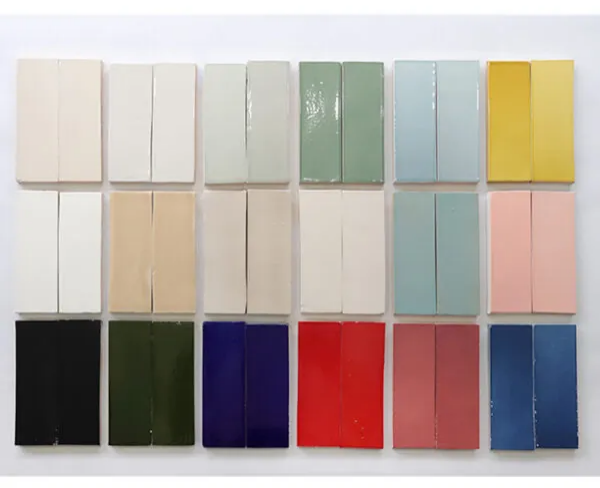
Selecting surface materials for modern building projects requires balancing practical engineering with aesthetic expression. Wall cladding often sets the architectural tone for interior environments. Modern design concepts increasingly incorporate textured finishes to counteract rigid structural lines. Hand-molded ceramics offer a compelling response, introducing tactile warmth across diverse architectural spaces.
Interior designers frequently search for finishes that evoke craftsmanship and authenticity. Standard machine-pressed surfaces deliver uniform symmetry, but they can lack individual character. Hand-fashioned surfaces offer controlled structural nuances that add visual richness. Understanding these visual properties helps procurement managers select surface treatments that align with creative project goals.
Sourcing hand-finished wall cladding involves evaluating aesthetic qualities alongside long-term material performance. Material selection directly influences room ambiance, lighting dynamics, and maintenance requirements. By assessing manufacturing capabilities, color ranges, and installation guidelines, commercial buyers can select ceramic products that elevate interior layouts while meeting technical project standards.
The Unique Aesthetic of Handcrafted Tiles in Interior Design
Designers often turn to handcrafted tiles to introduce subtle artistic individuality into contemporary environments. The visual attraction of these ceramic surfaces stems from deliberate surface variation. Slight differences in thickness, edge profiles, and surface contours contribute to an organic appearance that distinguishes custom spaces from standardized commercial builds.

When installed on vertical surfaces, subtle surface undulations interact dynamically with ambient lighting. Natural daylight and artificial spotlights catch the gently curved faces at varying angles. This light reflection produces delicate shadow play across wall planes, giving static interior structures an inviting sense of motion and spatial depth.
Edge contours on hand-molded wall ceramics typically showcase soft, pillowed shapes or subtly relaxed outlines. Rather than forming sharp geometric intersections, these edges yield softer lines when grouted. This characteristic softens rigid geometric layouts in kitchens and bathrooms, creating a balanced fusion of modern order and rustic charm.
Glaze application techniques further enhance the visual depth of hand-styled ceramics. Variations in glaze density yield delicate tonal shifts across individual pieces within a single batch. These soft color gradations prevent flat monochromatic appearances, allowing wall installations to display rich character without requiring complex decorative accent pieces.
Architectural Versatility and Options from JLA Ceramics
Building material manufacturers support creative architectural concepts by combining traditional hand-crafting aesthetics with modern production precision. Operations like JLA Ceramics produce extensive collections of hand-styled ceramics tailored for wall applications. These ranges include classic square formats alongside versatile subway tile shapes to accommodate diverse spatial layouts.
Popular size formats for subway-style wall tiles include 100×100 mm, 75×150 mm, and 75×300 mm dimensions. Thickness specifications vary by format and intended application, with lighter profiles suited to adhesive-only wall installation and heavier formats accommodating mechanical fixing where structural loads require additional support. Standardized sizing helps streamline installation planning while allowing for layout flexibility across different wall configurations.
Color options for these collections span subtle organic tones to bold accent shades. Soft off-whites, gentle creams, and pale sage tones complement minimalist residential spaces. Rich emerald greens, deep blues, and terracotta shades suit vibrant commercial venues. Manufacturers such as JLA Ceramics also offer custom color matching for specialized project specs.
Surface finishes range from high-gloss glaze reflections to refined satin matte textures. Glossy glazes maximize light reflection in smaller rooms, making compact spaces feel open and bright. Matte finishes present a quiet, contemporary appearance that hides water spots effectively, making them suitable for high-traffic commercial washroom walls.
Technical Specifications of Handcrafted Ceramic Cladding
Verifying technical specifications remains a critical step when specifying handcrafted tiles for commercial or residential installations. Hand-fashioned ceramic wall tiles typically feature a water absorption rate exceeding 10 percent. This porous body structure encourages strong mechanical bonding with standard cementitious mortars and thin-set tile adhesives during vertical mounting.
Surface glaze integrity represents another vital performance metric for interior cladding materials. Glaze coatings form a protective barrier over the ceramic substrate, preventing liquid absorption and surface staining. Non-porous glaze surfaces resist everyday moisture exposure, making hand-styled wall tiles well suited for kitchen backsplashes and shower enclosures.
Dimensional tolerance management is essential even within collections featuring hand-molded characteristics. Factory quality assurance procedures verify that physical variations remain within manageable installation thresholds. Maintaining controlled size consistency allows tile setters to maintain uniform joint widths without requiring excessive manual adjustments on active job sites.
Strategic Applications in Residential and Commercial Projects
Hand-styled ceramic wall cladding provides design flexibility across a broad spectrum of property types. In residential developments, these materials frequently serve as decorative backsplashes, fireplace surrounds, and feature shower walls. Soft surface textures introduce warmth into modern kitchens and spa-inspired residential bathrooms without compromising clean architectural lines.
Commercial interior developments also leverage the distinctive aesthetic of textured ceramic surfaces. Boutique hotels, restaurants, and retail showrooms utilize hand-molded wall cladding to create memorable guest environments. Glazed surface reflections enhance decorative lighting schemes in dining areas, bar backdrops, and executive reception lobbies.
Sourcing materials from experienced suppliers ensures product consistency alongside international shipping protection. Manufacturers such as JLA Ceramics package wall tiles in durable neutral cardboard cartons secured on sturdy wooden pallets. Protective export packaging prevents edge damage during ocean transit, ensuring materials arrive undamaged at destination job sites.
Finalizing Material Selection for Textured Surfaces
Incorporating hand-molded ceramic finishes into architectural plans requires evaluating design goals alongside installation requirements. Understanding glaze characteristics, material absorption rates, and substrate preparation helps project managers minimize installation challenges. Combining rustic aesthetic charm with standardized manufacturing controls ensures long-lasting visual and structural performance.
Establishing clear commercial partnerships with reliable manufacturers simplifies procurement workflows for long-term project pipelines. Access to broad product catalogs, OEM customization, and consistent production schedules supports steady supply chains. Specifying handcrafted tiles allows developers and architects to craft distinctive interior spaces that maintain lasting aesthetic value.To explore the handmade tile collection or discuss custom glaze and format options, visit JLA Ceramics.
