
The global healthcare technology sector is experiencing a rapid proliferation of complex diagnostic, therapeutic, and monitoring equipment. For original equipment manufacturers (OEMs), biotechnology firms, and specialized medical distributors, bringing these advanced innovations to the clinical market requires significant capital investment and extensive operational bandwidth. Consequently, outsourcing production has become a standard and necessary industry practice. However, the process of selecting a contract manufacturing partner is far from a routine procurement exercise. Institutional buyers, supply chain directors, and quality assurance teams conduct rigorous, multifaceted evaluations to ensure that potential partners possess the necessary technical acumen, regulatory infrastructure, and scalable capacity to support long-term commercial objectives in a highly regulated environment.
The Imperative of Advanced Quality Management Systems
The foundational element of any B2B evaluation in the medical technology sector is an uncompromising assessment of a manufacturer’s quality management systems (QMS). Procurement professionals and auditing teams do not merely look for surface-level regulatory compliance; they require deeply integrated quality controls that permeate every stage of the product lifecycle. A prospective manufacturing partner should demonstrate an appropriate quality management system, including ISO 13485 certification where required and compliance with applicable regional requirements such as the FDA Quality Management System Regulation under 21 CFR Part 820.
Evaluators meticulously audit a facility’s capacity to maintain comprehensive regulatory documentation. Buyers assess whether the partner can maintain the design, production, CAPA, supplier-control, and traceability records assigned to it under the quality agreement, while post-market surveillance responsibilities remain with the legal manufacturer unless otherwise defined. A partner’s ability to proactively manage quality and align documentation with the specific regulatory requirements of the buyer directly influences an OEM’s speed to market, significantly reducing the friction and financial overhead associated with global regulatory clearances.
Evaluating End-to-End Engineering and Manufacturing Capabilities
Beyond strict regulatory compliance, sophisticated buyers increasingly prioritize manufacturers that offer cohesive, vertically integrated services. Historically, OEMs often relied on a fragmented network of vendors, utilizing separate entities for industrial design, rapid prototyping, component sourcing, and final mass production. This highly fragmented approach frequently introduces communication silos, exacerbates intellectual property risks, and inevitably prolongs development timelines. To reduce these operational inefficiencies, procurement teams may seek partners that coordinate design, prototyping, manufacturing, and documentation through a unified project structure.
Engaging a versatile OEM medical device supplier that offers a cohesive, one-stop solution—spanning from initial concept and Design for Manufacturability (DFM) to final assembly and regulatory packaging—provides substantial strategic advantages. For example, organizations like Kingsin are evaluated favorably by business buyers because they centralize these critical disciplines. By leveraging specialized engineering support early in the process, potential manufacturing bottlenecks are identified and resolved before capital is committed to tooling. This comprehensive approach ensures that engineering intent is flawlessly translated into commercial-scale manufacturing based exactly on the customer’s precise clinical and operational specifications.
Assessing Physical Infrastructure and Advanced Production Technologies
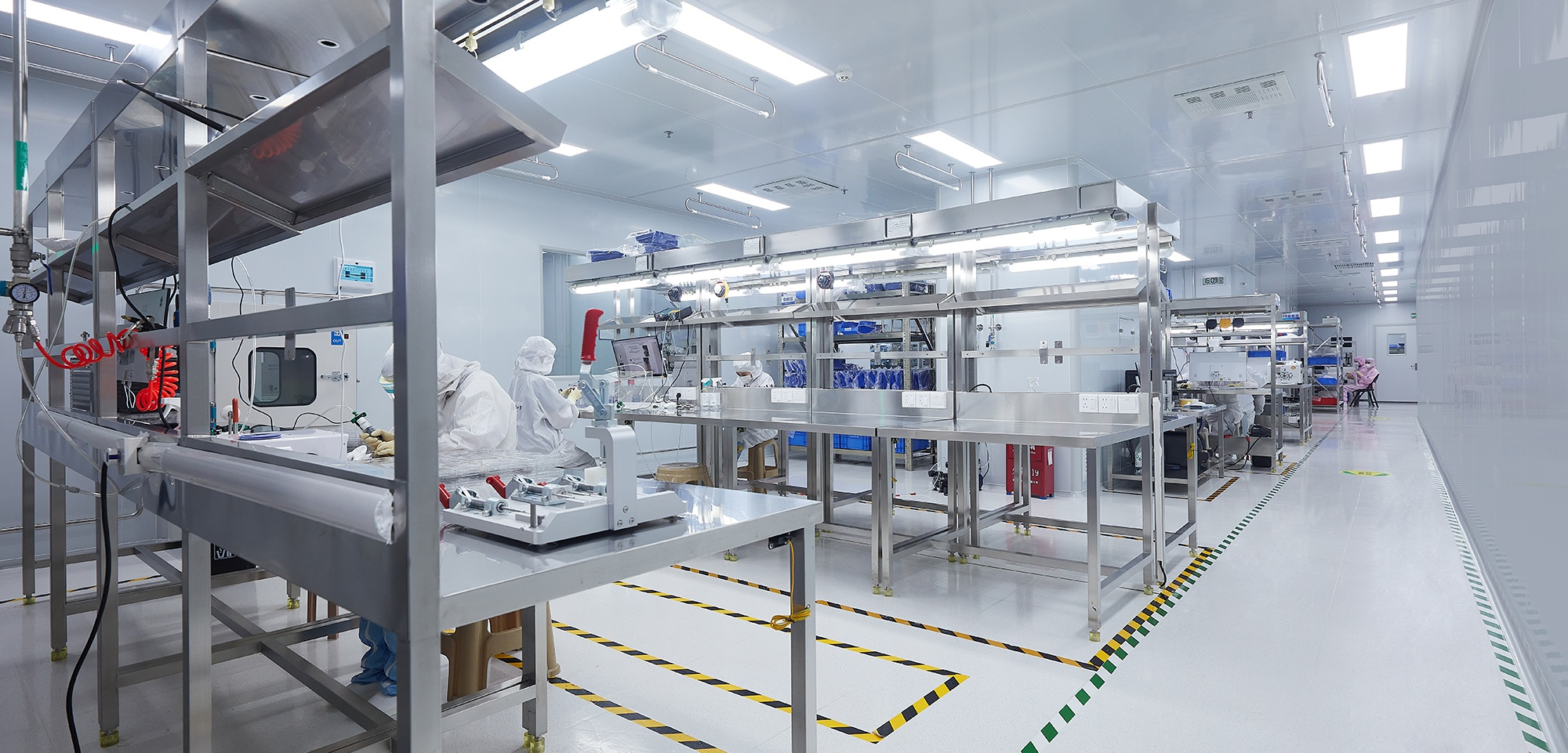
The physical infrastructure, facility capabilities, and technological investments of a manufacturing partner are subjected to intense scrutiny during the on-site vetting process. B2B evaluators require concrete, demonstrable evidence that a partner can handle highly specialized production requirements without compromising product integrity. For devices intended for surgical, diagnostic, or advanced therapeutic applications, the presence of certified, rigorously maintained cleanroom environments is an absolute prerequisite. Manufacturing partners are rigorously evaluated on their utilization and maintenance of ISO 7 or ISO 8 cleanrooms for sensitive assembly and packaging processes, which are vital for mitigating contamination risks and ensuring stringent product sterility.
Additionally, procurement engineers assess the breadth and modernity of the in-house manufacturing technologies. Capabilities such as precision medical-grade injection molding, advanced polymer extrusion, laser welding, and Surface-Mount Technology (SMT) for active electronic components indicate a robust operational foundation capable of handling complex device architectures. Buyers also look for advanced material handling capabilities, assessing whether the manufacturer has established reliable supply chains for specialized medical-grade plastics, biocompatible silicones, and custom alloys required for next-generation medical instruments.
Supply Chain Resilience and Its Commercial Impact
Ultimately, the operational reliability and stability of a manufacturing partner have a direct and profound impact on the OEM’s downstream commercial performance. Distributors, hospital networks, and group purchasing organizations (GPOs) require consistent product availability; even minor supply chain disruptions can severely damage a brand’s reputation and jeopardize market share. Therefore, procurement teams heavily evaluate a manufacturer’s supply chain resilience, component sourcing strategies, inventory management practices, and overall scalability. To reduce these operational inefficiencies, procurement teams may seek partners that coordinate design, prototyping, manufacturing, and documentation through a unified project structure.
This level of operational predictability and robust supply chain management is essential for sustaining and growing medical device sales. When corporate sales teams and international distribution partners can rely on a consistent, uninterrupted supply of high-quality, defect-free products, they can confidently execute aggressive go-to-market strategies. Reliable manufacturing operations reduce product return rates, minimize liability, and empower sales organizations to secure lucrative, long-term supply contracts with major institutional healthcare providers.
Conclusion
Selecting a contract manufacturing partner in the medical technology sector is a high-stakes strategic decision that extends far beyond basic cost analysis or transactional procurement. Business buyers, procurement specialists, and OEM executives conduct exhaustive evaluations encompassing the depth of quality management integration, the breadth of end-to-end technical capabilities, the sophistication of clean room infrastructure, and the resilience of the overarching supply chain.
By transitioning away from fragmented vendor relationships and investing in comprehensive, integrated manufacturing partnerships, healthcare technology companies can effectively mitigate operational risks. Partnering with a fully capable organization that prioritizes stringent regulatory alignment and scalable, on-demand production ensures that specialized medical equipment reaches the clinical market efficiently, reliably, and in full compliance with the rigorous demands of the global healthcare industry.
