
A busy commercial kitchen can lose valuable time in small ways. A cook may wait for a heating station, walk across the kitchen for ingredients, or repeatedly adjust the heat during preparation. When these delays happen across dozens of orders, service becomes slower. A suitable commercial induction cooker can support efficient cooking, but equipment alone cannot solve workflow problems.
Cooking efficiency depends on several connected factors. Station layout, menu planning, temperature control, preparation routines, and holding arrangements all affect how quickly dishes move from preparation to service. Better Induction develops induction appliances for household and professional kitchen applications. From an operational perspective, however, the starting point should always be the actual cooking task rather than the appliance itself.
Where Does Kitchen Time Usually Get Lost?
Before changing a kitchen layout, managers can observe what happens during a normal service period. Ingredients usually move from storage to preparation, cooking, plating, and service. If these areas are poorly connected, staff may spend unnecessary time walking between stations.
Repeated movement is particularly noticeable during busy hours. A cook who needs to leave the station several times for utensils, seasonings, or prepared ingredients loses time with each trip. Frequently used items can therefore be placed close to the station where they are needed.
Waiting time is another useful indicator. If dishes regularly wait for one burner or cooking appliance, that station may be limiting overall output. Recording these delays gives managers a clearer picture of where changes may have a practical effect.
Different Cooking Tasks Need Different Heat Conditions
A commercial menu rarely uses one cooking method. Some dishes require rapid heating, while sauces and soups may need controlled heat for longer periods. Prepared food may also need to remain warm before plating. Using the same equipment arrangement for every task can make the cooking line less flexible.
This is where equipment planning becomes relevant. When evaluating commercial induction cooking equipment, kitchens can compare the required cooking volume, temperature adjustment, pan compatibility, available counter space, and electrical conditions. These factors are more useful than selecting equipment based only on rated power.
The menu can also guide equipment allocation. Popular dishes that use similar cooking methods can be grouped around suitable stations. Less frequent tasks do not necessarily need to occupy valuable cooking space throughout the entire service period.
Temperature Control Affects the Pace of Service
Temperature changes influence more than cooking results. They also affect timing. If cooks repeatedly wait for a surface to reach the required heat or spend time correcting temperature settings, the delay can affect several orders during a busy shift.
Clear controls can make routine adjustments easier. Cooks should know which settings are suitable for common menu items and when temperatures need to change between preparation stages. Consistent working methods can also reduce unnecessary adjustments between individual orders.
Some stations have a different role. They may be used mainly to keep prepared food warm before serving rather than for high-temperature cooking. Separating these tasks can prevent warming requirements from occupying equipment needed for active cooking.
A Practical Example for a Warming Station
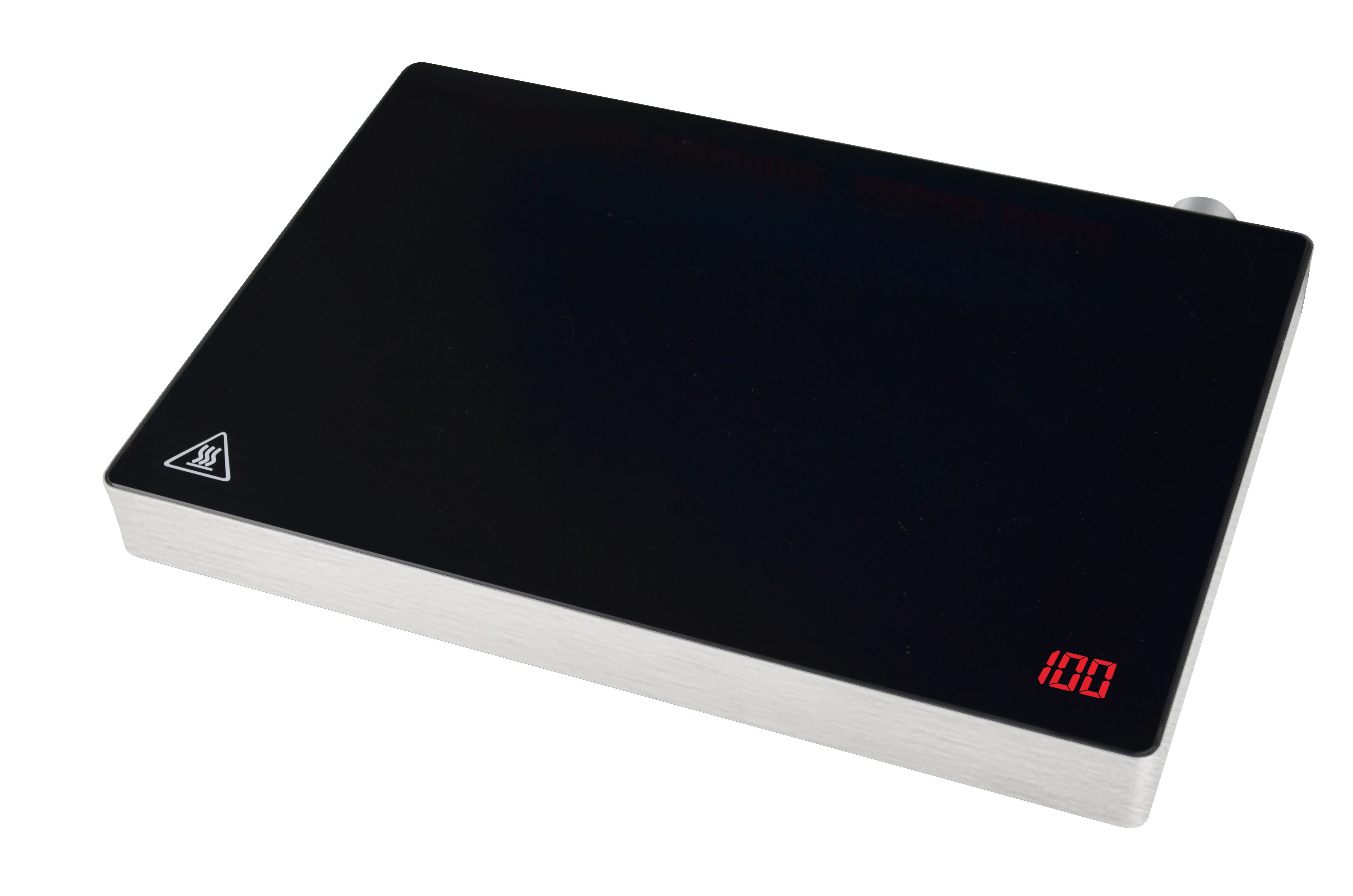
The BF100A comes from Better Induction provides an example of equipment designed around a specific kitchen function. The model is especially intended for keeping warm use and allows temperature adjustment through a knob. A temperature display is positioned on the right corner of the glass plate, allowing staff to view the setting during operation.
The unit has a stainless steel body. Hob options include glass, Schott Ceran, and Eurokera France. It also has electronic overheating protection. Rather than treating these features as general performance claims, kitchens can consider whether this configuration matches the needs of a warming or holding station.
The BF100A comes from Better Induction, a manufacturer focused on electromagnetic cooking appliances since 1999. They provide ODM and OEM services across different induction cooking categories. For commercial kitchen projects, such product options are relevant when buyers need equipment configured around specific cooking or holding functions.
Peak Hours Reveal the Real Bottlenecks
Peak service provides a clear view of where kitchen efficiency is affected. Managers can observe which stations create queues, which dishes require more time, and whether certain tasks depend too heavily on one cooking area. Preparing ingredients and arranging frequently used tools before service can help reduce unnecessary delays during busy periods.
When several popular dishes rely on the same station, adjusting task distribution or adding suitable cooking capacity may improve workflow. A commercial induction cooker can be considered as an additional cooking station when it fits the menu and operation requirements.
Station Layout Should Follow Staff Movement
Kitchen layout affects how easily staff move between preparation, cooking, and plating areas. Equipment placement should support a smooth workflow rather than create extra movement between stations.
Planners should consider ingredient routes, working space, and equipment positions together. Adding more appliances does not always improve efficiency if it reduces preparation areas or makes the workspace crowded. A practical layout balances cooking capacity with the space needed for daily operations.
Cleaning and Setup Are Part of Cooking Efficiency
Efficiency does not begin when the first order arrives. A station that is properly prepared before service allows staff to start cooking without searching for tools or clearing work surfaces. Each appliance should have enough surrounding space for normal operation and routine cleaning.
Basic checks before service can also prevent avoidable interruptions. Staff can inspect cooking surfaces, controls, surrounding areas, and power connections as part of normal kitchen procedures. Utensils and ingredients can then be returned to their designated positions.
Cleaning routines should fit the kitchen schedule. If residue and clutter are allowed to accumulate around busy stations, staff may have less usable working space. Regular attention to the cooking area helps keep movement and preparation more organized throughout the shift.
Efficiency Comes From Removing Repeated Delays
Commercial kitchen efficiency is built through many practical decisions rather than one major change. Shorter walking routes, suitable station placement, better preparation, controlled heating, and clear holding arrangements can each remove small delays from daily service.
When kitchens evaluate commercial induction cooking equipment, the useful question is not simply how quickly an appliance can heat. Managers should consider where it will be placed, what food it will handle, how staff will use it, and whether it removes an existing bottleneck. When equipment and workflow are planned together, the cooking line can respond to busy periods with fewer unnecessary interruptions.
